
Your wedding dress is one of the most important fashion decisions you'll ever make, and choosing attire for a beach wedding in Japan requires special consideration. The combination of coastal breezes, humidity, sand, and stunning natural backdrops demands a gown that looks beautiful while remaining comfortable throughout your celebration.
Japan's climate varies significantly by region and season, from Okinawa's tropical heat to the more temperate conditions of beaches near Tokyo. Understanding these environmental factors, combined with current bridal fashion trends and practical considerations, will help you select a dress that photographs gorgeously while allowing you to move freely and enjoy every moment of your special day.

Understanding Japan's Beach Climate
Before exploring dress styles and fabrics, it's crucial to understand the climate conditions you'll encounter. Japan's beach environments present unique considerations that differ from indoor venues or other destination wedding locations.
Regional Climate Variations
Okinawa and Southern Islands: These tropical locations maintain warm temperatures year-round, with high humidity levels especially from May through October. Summer temperatures regularly exceed 30°C (86°F) with humidity often above 80%. Even winter months remain mild, rarely dropping below 15°C (59°F).
Central Japan (Shonan, Kamakura, Izu): These areas experience more seasonal variation. Spring (April-May) and autumn (September-November) offer comfortable temperatures around 18-25°C (64-77°F). Summer brings heat and humidity similar to Okinawa, while winter can be surprisingly cool with occasional cold winds.
Northern Beaches: Coastal areas in northern Japan have shorter warm seasons, with beach weddings most comfortable from June through September. Temperatures are generally milder but wind can be more significant.
Environmental Factors to Consider
- Wind: Coastal breezes affect fabric movement and hairstyling. Light, flowing fabrics can create beautiful photographic moments but might require strategic management
- Sand: Fine particles can cling to fabrics, especially those with texture or embellishment. Hem length and train style require careful consideration
- Humidity: High moisture levels affect comfort, wrinkle resistance, and how fabrics drape on your body
- Sun Exposure: Intense sunlight impacts both your comfort and how fabrics photograph, with some materials becoming translucent or showing sweat more easily
- Water Proximity: Potential for splashes or walking near waterline requires practical hem considerations
Ideal Fabric Choices
Fabric selection dramatically impacts comfort and appearance in beach settings. Some materials thrive in coastal conditions while others create unnecessary challenges.
Best Fabrics for Beach Weddings
Chiffon
- Extremely lightweight and breathable
- Flows beautifully in ocean breezes
- Photographs ethereally
- Dries quickly if dampened
- Can be sheer, requiring lining
- Shows wrinkles from travel
- May cling in high humidity
Organza
- Crisp, structured appearance
- Holds shape well in heat
- Creates volume without weight
- Wrinkle-resistant
- Can feel stiff in very hot weather
- Makes rustling sounds
- Less soft than other options
Crepe
- Elegant drape and movement
- Comfortable against skin
- Minimal wrinkling
- Sophisticated appearance
- Can show sweat in dark colors
- Slightly heavier than chiffon
- May stretch in humidity
Linen
- Extremely breathable
- Perfect for hot climates
- Relaxed, bohemian aesthetic
- Natural fiber
- Wrinkles very easily
- Less formal appearance
- Limited color options
Fabrics to Avoid
Certain materials create unnecessary challenges in beach environments:
- Heavy Satin: Retains heat, shows sweat, becomes uncomfortably warm in hot weather
- Taffeta: Stiff, creates noise with movement, doesn't breathe well
- Heavy Lace Overlays: Can trap heat and humidity against skin
- Velvet or Brocade: Completely inappropriate for warm beach settings
- Synthetic Fabrics Without Breathability: Polyester blends that don't allow air circulation
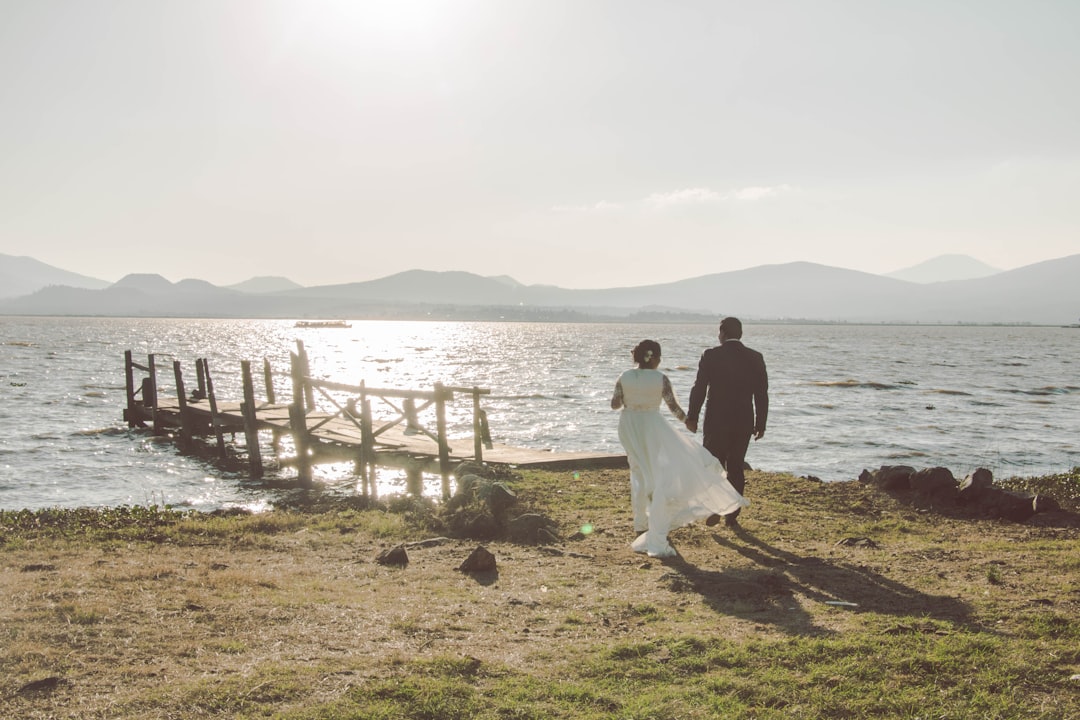
Optimal Silhouettes for Beach Ceremonies
Dress silhouette significantly impacts both comfort and aesthetics in beach settings. Certain styles naturally complement coastal environments while others fight against the setting.
Flowing A-Line Gowns
A-line silhouettes work beautifully for beach weddings, offering elegant structure without excessive fabric or weight. The fitted bodice and gradually widening skirt create flattering lines while allowing easy movement through sand.
These gowns photograph wonderfully as they catch ocean breezes, creating dynamic movement in images. Choose lighter fabrics like chiffon or organza for maximum flow and comfort.
Sheath and Column Dresses
Sleek sheath dresses offer sophisticated simplicity perfect for intimate beach ceremonies. The streamlined silhouette minimizes fabric while maximizing elegance, particularly flattering on smaller body frames.
Column dresses work especially well in lightweight crepe or silk, creating clean lines that photograph stunningly against beach backgrounds. The minimal fabric reduces overheating concerns while maintaining formal elegance.
Empire Waist Styles
Empire waist gowns feature a raised waistline just below the bust, with flowing skirt falling to the ground. This Grecian-inspired silhouette suits beach settings beautifully, offering comfort and ethereal romance.
The high waist creates flattering proportions while the flowing skirt provides freedom of movement. This style works particularly well for pregnant brides or those seeking ultimate comfort.
Bohemian and Free-Spirited Designs
Relaxed, bohemian-style gowns with lace details, crochet elements, or casual elegance suit beach atmospheres perfectly. These dresses embrace the natural, organic aesthetic of coastal celebrations.
Look for designs with flutter sleeves, open backs, and flowing skirts in natural fibers. These styles photograph beautifully while feeling comfortable and authentic to beach environments.
💡 Expert Tip: The Train Question
Long cathedral trains, while dramatic, can be impractical on beaches. Sand clings to fabric, making trains heavy and dirty quickly. Consider these alternatives:
- Detachable train that removes after ceremony
- Short chapel train that barely touches ground
- No train, allowing hem to float just above sand
- Dramatic veil instead of train for processional impact
Length Considerations
Hem length significantly impacts both aesthetics and practicality for beach weddings. Each length option presents distinct advantages and challenges.
Floor-Length Gowns
Traditional floor-length dresses create elegant, formal appearance while protecting legs from sun and sand. Choose fabrics that won't drag heavily or show every grain of sand. Consider having hem slightly shorter than typical indoor gowns—just kissing the sand rather than trailing behind.
Tea-Length Dresses
Tea-length gowns (falling between knee and ankle) offer vintage charm while providing practical benefits for beach settings. The shorter length prevents sand accumulation, allows easier walking, and photographs beautifully with beach backgrounds visible beneath the hem.
This length works particularly well for casual or retro-inspired celebrations, and helps showcase beautiful wedding shoes.
Knee-Length and Short Styles
Short wedding dresses suit intimate, ultra-casual beach celebrations perfectly. These styles maximize comfort and ease of movement while creating fresh, modern aesthetic.
Short dresses work beautifully for elopements, second weddings, or couples embracing relaxed beach vibes. They're also practical for receptions involving beach games or activities.
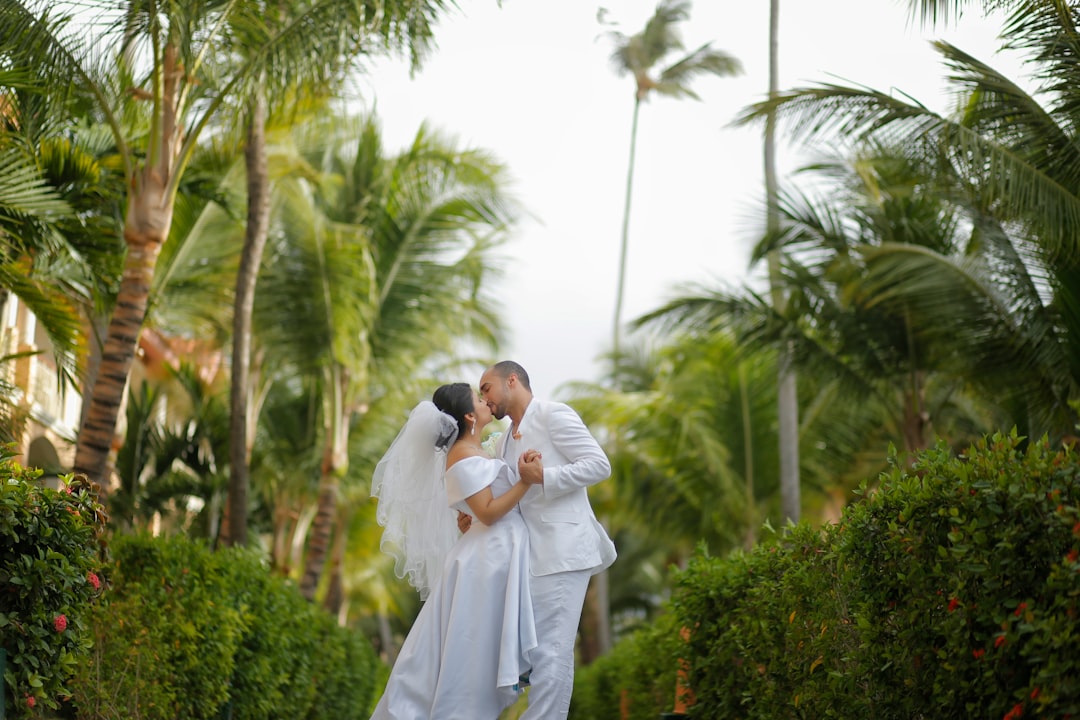
Necklines and Sleeve Options
Upper dress design affects both comfort in Japan's climate and overall aesthetic harmony with beach settings.
Recommended Necklines
- Sweetheart: Romantic and flattering, balances décolletage exposure with support
- V-Neck: Elongates neck and torso, provides airflow, universally flattering
- Off-Shoulder: Romantic beach aesthetic, shows skin while providing coverage
- Scoop or Boat Neck: Classic, elegant, appropriate sun protection
Sleeve Considerations
Sleeveless or minimal sleeve designs maximize comfort in hot, humid conditions. If you prefer coverage, consider:
- Cap Sleeves: Minimal coverage without heat retention
- Flutter Sleeves: Romantic, breezy, allows air circulation
- Thin Spaghetti Straps: Minimalist support without bulk
- Illusion Sleeves: Coverage appearance with breathable mesh
Avoid long, heavy sleeves unless marrying during cooler months. Even then, choose lightweight fabrics with movement that won't cause overheating.
Color Considerations
While traditional white remains popular, beach weddings offer opportunity for color exploration. Consider these factors:
- Pure White: Classic and photographs beautifully, but can show sweat or water marks more readily
- Ivory or Cream: Softer tones that complement beach settings and various skin tones
- Blush or Champagne: Romantic, trendy, less likely to show marks or sand
- Pastels: Lavender, pale blue, or soft pink create dreamy beach aesthetics
- Bold Colors: For non-traditional couples, jewel tones or bright colors make dramatic statements
Lighter colors typically stay cooler by reflecting rather than absorbing sunlight, an important consideration for daytime ceremonies in hot weather.
Practical Details and Accessories
Undergarments
Proper undergarments are crucial for comfort and appearance:
- Choose seamless, moisture-wicking options designed for hot weather
- Avoid heavy shapewear that traps heat and moisture
- Consider built-in support rather than separate undergarments
- Test undergarment comfort during hot weather before wedding day
Footwear
Shoes present particular challenges for beach ceremonies:
- Barefoot: Most practical and authentic to beach setting
- Sandals: Flat, strappy styles that won't sink in sand
- Barefoot Sandals: Decorative foot jewelry without actual shoes
- Wedges (for reception): If changing venues, wedges won't sink like heels
If walking on beach barefoot, consider professional pedicure and foot care beforehand. Bring comfortable shoes for reception or venue with harder surfaces.
Veils and Hair Accessories
Wind significantly impacts veil choices:
- Shorter veils (shoulder or elbow length) manage wind better than cathedral length
- Consider skipping veil entirely in favor of hair flowers or clips
- If choosing long veil, have assistant manage it during ceremony
- Secure veils extremely well with multiple bobby pins
- Consider removing veil immediately after ceremony
💡 Pro Tip: The Dress Fitting Timeline
For destination weddings in Japan, timing your fittings strategically is essential:
- Initial fitting: 6-8 months before wedding
- Second fitting: 3-4 months before, after any weight changes
- Final fitting: 2-3 weeks before departure if possible, or arrange local seamstress in Japan
- Emergency plan: Pack sewing kit and research tailors near your venue
Transporting Your Dress to Japan
Getting your gown to Japan safely requires careful planning:
- Carry On: Never check your wedding dress in luggage. Carry it on the plane in a garment bag
- Professional Steaming: Arrange for dress steaming service at your hotel or hire mobile steaming service
- Hanging Storage: Ensure your accommodation provides adequate closet space for hanging
- Backup Plan: Know location of dry cleaners and seamstresses near your venue
- Travel Insurance: Consider special insurance for valuable bridal attire during international travel
Final Thoughts
Choosing the perfect beach wedding dress for Japan requires balancing aesthetics with practicality. Prioritize comfort and climate-appropriate fabrics while maintaining the elegance and style you've envisioned. Remember that the most beautiful dress is one that allows you to feel confident, comfortable, and fully present in your special moments.
Your wedding dress should enhance your natural beauty while complementing the stunning natural setting of Japan's beaches. By carefully considering fabric, silhouette, length, and practical details, you'll find a gown that photographs beautifully, feels wonderful, and creates lasting memories of your perfect beach wedding day.