
Beach weddings in Japan offer a unique opportunity to blend the natural beauty of coastal settings with the rich cultural heritage of Japanese wedding traditions. Whether you're a Japanese couple seeking to honor your roots in a non-traditional setting, an international couple wanting to embrace Japanese culture, or simply drawn to the elegance and meaning of Japanese customs, incorporating traditional elements can add profound depth to your celebration.
The key to successful cultural integration lies in understanding the significance behind each tradition and thoughtfully adapting them to suit both your beach setting and personal values. This guide explores meaningful Japanese wedding customs and provides practical advice for incorporating them into your coastal ceremony in ways that feel authentic, respectful, and beautiful.

Understanding Japanese Wedding Traditions
Japanese wedding customs have evolved over centuries, blending Shinto religious practices, Buddhist influences, and more recent Western elements. Traditional Japanese weddings often take place at Shinto shrines with highly formalized ceremonies, but the underlying values and symbolic rituals can be beautifully adapted to beach settings.
Core Values in Japanese Wedding Culture
Several fundamental principles guide traditional Japanese wedding celebrations:
- Wa (和)—Harmony: Creating balance and unity between families, not just the couple
- Respect for Family: Honoring parents and ancestors through ceremonial elements
- Symbolic Ritual: Actions carrying deep meaning beyond their surface appearance
- Aesthetic Beauty: Emphasis on refined, minimalist elegance
- Gratitude: Expressing thanks to family, guests, and nature
Understanding these values helps you select which traditions to incorporate and how to adapt them meaningfully for your beach celebration.
Traditional Ceremony Elements for Beach Weddings
1. San-San-Kudo (三三九度) Sake Ceremony
🍶 The Sake Ceremony
San-san-kudo, literally "three-three-nine times," is one of the most significant and adaptable Japanese wedding traditions. The ceremony involves the bride and groom taking three sips each from three different-sized cups of sake, symbolizing their union and the joining of their families.
Traditional Meaning:The ritual represents the binding of two families through the sharing of sake. The three cups symbolize heaven, earth, and humanity, while the three sips from each cup represent the couple and their parents—past, present, and future.
Beach Adaptation:- Perform the ceremony under a simple bamboo or driftwood arch
- Use elegant sake cups placed on a low table with ocean view
- Have parents participate by taking sips as well
- Brief explanation for non-Japanese guests about the symbolism
- Consider using specially commissioned ceramic cups as keepsakes
In hot weather, sake should be kept cool but not ice-cold (traditionally served at room temperature). Assign someone to pour and manage the cups. Practice beforehand if unfamiliar with the ritual sequence.

2. Kimono Elements
Traditional Japanese wedding attire carries enormous cultural significance and creates stunning visual impact, especially against beach backdrops. While full traditional kimono may not be practical for entire beach ceremonies, creative incorporation can honor tradition while maintaining comfort.
Options for Incorporating Kimono:
- Reception Change: Wear Western beach dress for ceremony, change into white uchikake (elaborate kimono) for reception
- Partial Elements: Incorporate kimono fabrics into Western dress design (obi-style sash, kimono-inspired sleeves)
- Pre-Wedding Photos: Schedule separate photo session in full traditional kimono at different location
- Groom's Attire: Groom wears hakama (traditional men's formal wear) which is lighter and more comfortable than bride's kimono
- Accessories: Use traditional hair ornaments (kanzashi) with Western dress
White shiromuku (pure white kimono) symbolizes the bride's maidenhood and her willingness to be dyed in her new family's colors. The elaborate uchikake worn over it displays family crests and auspicious symbols. For beach settings, consider lightweight silk or modified designs that maintain aesthetic while improving comfort.
3. Origami Crane Decorations
Senbazuru
The tradition of folding 1,000 origami cranes (senbazuru) represents devotion, hope, and good fortune. Folding cranes together before the wedding or displaying them at your ceremony symbolizes wishes for a long, happy marriage.
Cherry Blossom Motifs
Sakura (cherry blossoms) symbolize the ephemeral beauty of life and new beginnings. Incorporate cherry blossom designs in invitations, decor, or even temporary tattoos for a subtle cultural nod.
Bamboo Elements
Bamboo represents strength, flexibility, and prosperity. Use bamboo in ceremony arches, pathway markers, or as part of centerpieces to bring this symbolism to your beach celebration.
4. Yuino (結納) Gift Exchange
Yuino is a traditional Japanese engagement ceremony involving the exchange of symbolic gifts between families. While the full formal yuino ceremony is elaborate, adapted elements can add meaning to beach weddings.
Simplified Yuino Elements:
- Symbolic Gift Exchange: Families exchange small, meaningful gifts during ceremony (fans, sake, dried items symbolizing longevity)
- Monetary Gifts: Traditional decorated envelopes (shugi-bukuro) for monetary gifts from families
- Display Table: Create beautiful display of yuino items as part of ceremony decoration
- Modern Interpretation: Exchange family heirlooms or meaningful objects representing family values
Reception and Celebration Traditions
5. Candle Service and Kagami-Biraki
Kagami-biraki is the ceremonial opening of a sake barrel, typically performed at receptions to bring good fortune and celebration. This tradition adapts beautifully to beach reception settings.
Beach Reception Adaptation:
- Position decorated sake barrel on stable table with ocean backdrop
- Couple uses wooden mallets to break open barrel's lid together
- Share opened sake with all guests in small cups
- Symbolizes breaking through barriers and sharing joy with community
- Creates festive, interactive moment that photographs beautifully
The tradition can be combined with a Western toast, offering something for everyone while honoring Japanese custom.
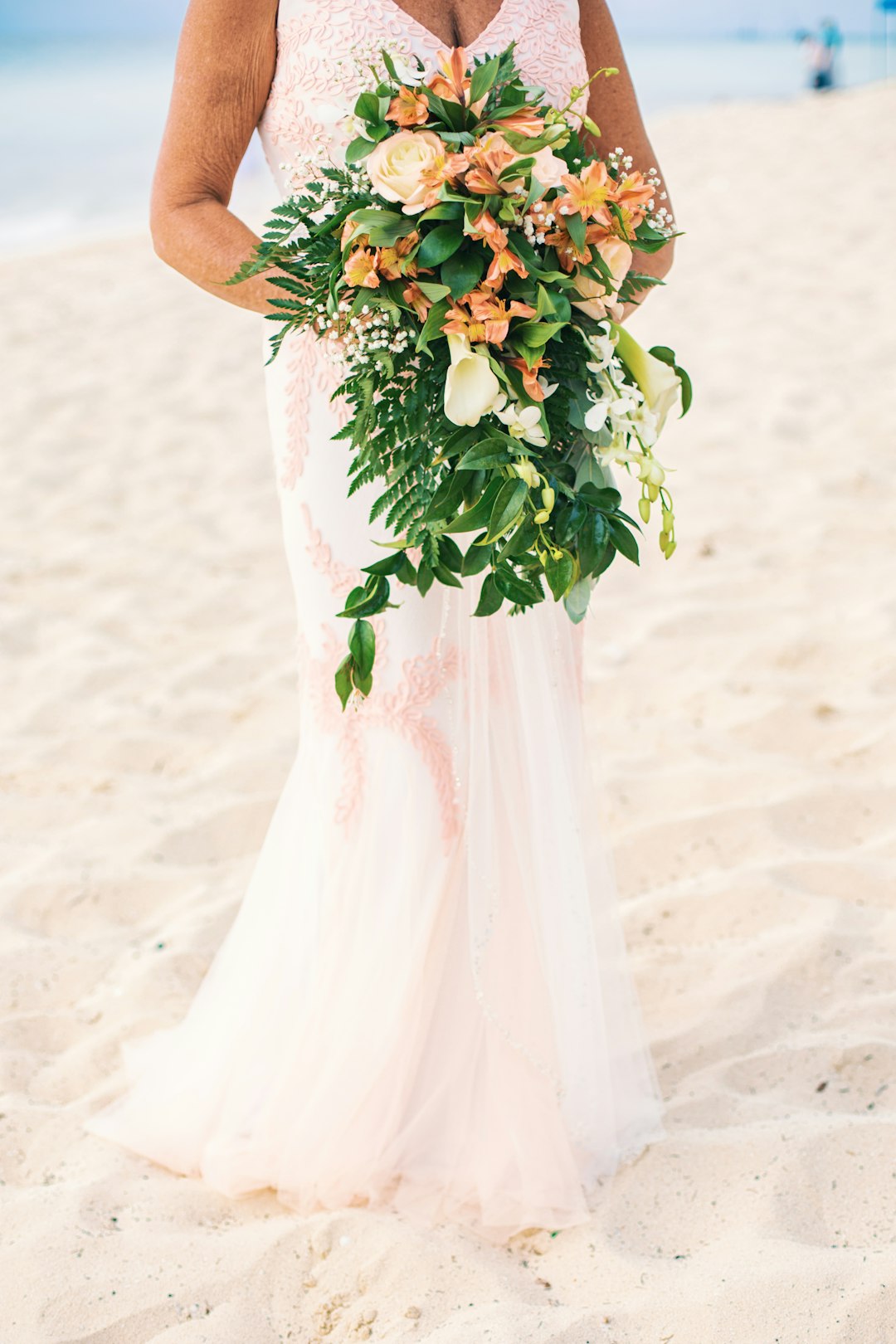
6. Okaeshi (お返し) Gift Giving
Japanese weddings traditionally include small gifts for guests as thanks for attendance. These differ from Western favors in both presentation and significance.
Traditional Okaeshi Ideas for Beach Weddings:
- Wagashi (Japanese Sweets): Beautifully packaged traditional confections
- Local Specialties: Regional products from your beach location
- Practical Items: Quality tea, rice crackers, or small dishes
- Furoshiki Wrapping: Traditional fabric wrapping cloth that guests can reuse
- Personalized Items: Custom items featuring your wedding date in Japanese characters
Gifts should be thoughtfully selected, beautifully wrapped, and ideally practical. The presentation matters as much as the gift itself in Japanese culture.
Ceremonial Music and Performance
7. Traditional Music Elements
Japanese traditional music can create powerful atmosphere while honoring cultural heritage. Consider these options:
- Processional Music: Koto (Japanese harp) or shakuhachi (bamboo flute) for ceremony entrance
- Taiko Drums: Powerful drumming for reception entrance or special moments
- Contemporary Japanese: Modern J-pop or instrumental versions of Japanese songs
- Live Musicians: Hire traditional musicians for authentic sound
- Recorded Music: High-quality recordings if live musicians unavailable
Music should complement rather than overwhelm the natural sound of ocean waves. Consider volume carefully for beach acoustics.
8. Cultural Performances
Traditional performances can entertain guests while sharing Japanese culture:
- Tea Ceremony Demonstration: Brief, simplified tea ceremony as part of reception
- Traditional Dance: Geisha or other traditional dance performance
- Calligraphy Artist: Live calligraphy creation of couple's names or auspicious words
- Shamisen Performance: Traditional three-stringed instrument music
Performances should be brief (10-15 minutes) with explanations for non-Japanese guests to appreciate their significance.
Visual and Decorative Elements
9. Shinto-Inspired Decor
Shinto aesthetic principles emphasize natural materials, simplicity, and harmony with surroundings—perfect for beach settings.
Shinto-Inspired Beach Decor:
- Torii Gate: Simplified wooden arch inspired by shrine gates
- Shime-nawa: Sacred rope with zigzag paper decorations
- Natural Materials: Stone, wood, and paper in organic arrangements
- White and Red: Traditional Shinto colors used sparingly in decor
- Minimal Aesthetic: Less-is-more approach letting beach beauty shine
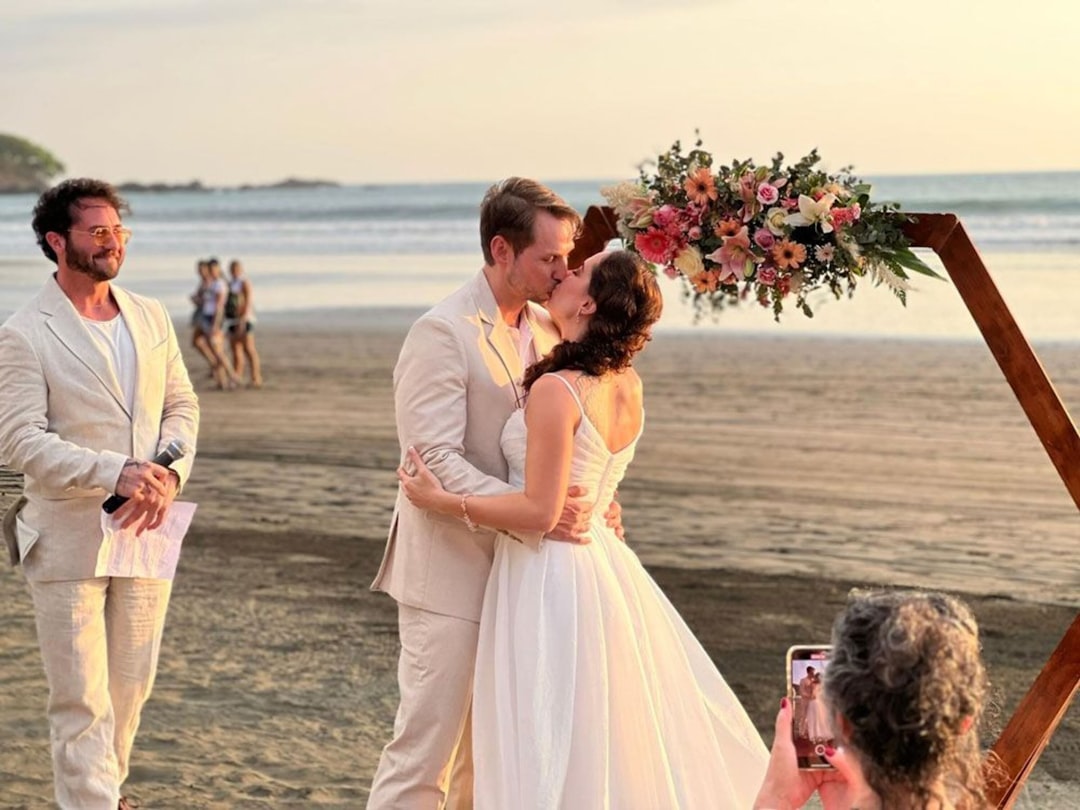
10. Ikebana Floral Arrangements
Ikebana, the Japanese art of flower arrangement, emphasizes minimalism, asymmetry, and the beauty of empty space. This philosophy suits beach weddings perfectly.
Ikebana Principles for Beach Weddings:
- Use few, carefully selected blooms rather than abundant bouquets
- Highlight natural branch shapes and lines
- Emphasize negative space as part of design
- Choose seasonal, locally available flowers
- Arrange with attention to asymmetry and movement
- Use natural containers (bamboo, ceramic, driftwood)
Working with a trained ikebana artist ensures authentic execution while adapting to your beach venue's specific conditions.
Food and Culinary Traditions
11. Japanese Cuisine Elements
Incorporating Japanese culinary traditions honors culture while offering guests unique dining experiences.
Beach-Friendly Japanese Menu Options:
- Sushi and Sashimi Station: Fresh seafood display with skilled chef
- Tempura Bar: Lightly fried vegetables and seafood made to order
- Yakitori Grill: Grilled chicken skewers (suits beach casual atmosphere)
- Bento Boxes: Individual beautifully arranged meal boxes
- Ramen or Soba Bar: Interactive noodle station for evening reception
- Sake Tasting: Curated selection of premium sake varieties
- Wagashi Desserts: Traditional Japanese sweets alongside or instead of Western cake
Balance Japanese offerings with international options to accommodate diverse guest preferences and dietary needs.
Meaningful Adaptations for International Couples
For couples where one or both partners aren't Japanese, incorporating cultural elements requires special thoughtfulness to ensure authenticity and respect.
Guidelines for Cultural Integration:
- Research Thoroughly: Understand the meaning and significance of each tradition you incorporate
- Consult Cultural Experts: Work with Japanese wedding planners or cultural consultants
- Provide Context: Include explanations in programs or have officiant explain traditions to guests
- Be Selective: Choose elements that genuinely resonate rather than including everything
- Respect Sacred Traditions: Avoid trivializing deeply religious or sacred customs
- Balance Cultures: If blending multiple cultural backgrounds, give each appropriate representation
- Seek Family Input: If one partner is Japanese, involve their family in selecting traditions
Practical Implementation Tips
Working with Vendors:
- Find bilingual coordinators familiar with both Japanese traditions and beach weddings
- Book traditional performers well in advance (limited availability)
- Ensure vendors understand cultural protocols and proper execution
- Arrange translators if needed for ceremony explanations
Guest Communication:
- Include cultural background information on wedding website
- Provide brief explanations of traditions in ceremony programs
- Consider short video introductions to traditions sent before wedding
- Have bilingual attendants available to answer questions
Timing and Flow:
- Traditional elements may extend ceremony length—plan accordingly
- Practice rituals beforehand to ensure smooth execution
- Build in time for photo opportunities with traditional elements
- Don't over-schedule—allow moments to unfold naturally
Final Thoughts
Incorporating traditional Japanese elements into your beach wedding creates layers of meaning, beauty, and cultural richness that transform a ceremony into a deeply personal celebration. Whether you're honoring your Japanese heritage, embracing your partner's culture, or simply drawn to the elegance and symbolism of these traditions, thoughtful integration can create an unforgettable experience.
The key lies in understanding the significance behind each tradition, adapting them appropriately for your beach setting, and ensuring that everything you include genuinely reflects your values and relationship. When done with respect, research, and authenticity, the fusion of Japanese cultural traditions with the natural beauty of beach weddings creates something truly magical—a celebration that honors the past while embracing your future together.
Remember that traditions exist to serve you, not the other way around. Select elements that resonate with your story, adapt them to suit your celebration's unique character, and create a wedding that feels both authentic and personal. The result will be a ceremony that bridges cultures, honors heritage, and celebrates love in its most beautiful form.